
Trauma Therapy Tools
Tools to support regulation, safety, and healing for therapists and clients.

Trauma therapy requires safety, pacing, and nervous system awareness — not just insight.
This space offers practical, trauma-informed tools and downloadable resources for Clients and Therapists to support grounding, stabilization, and safe trauma integration.
Info Guides
Explore a curated collection of trauma-informed Info Guides designed to help you understand how different life experiences impact your nervous system, emotions, and patterns.
Each guide offers clear insights, practical tools, and gentle reflection prompts — so you can move from awareness to real, everyday change.
Download what you need, when you need it, and build your emotional fitness at your own pace.
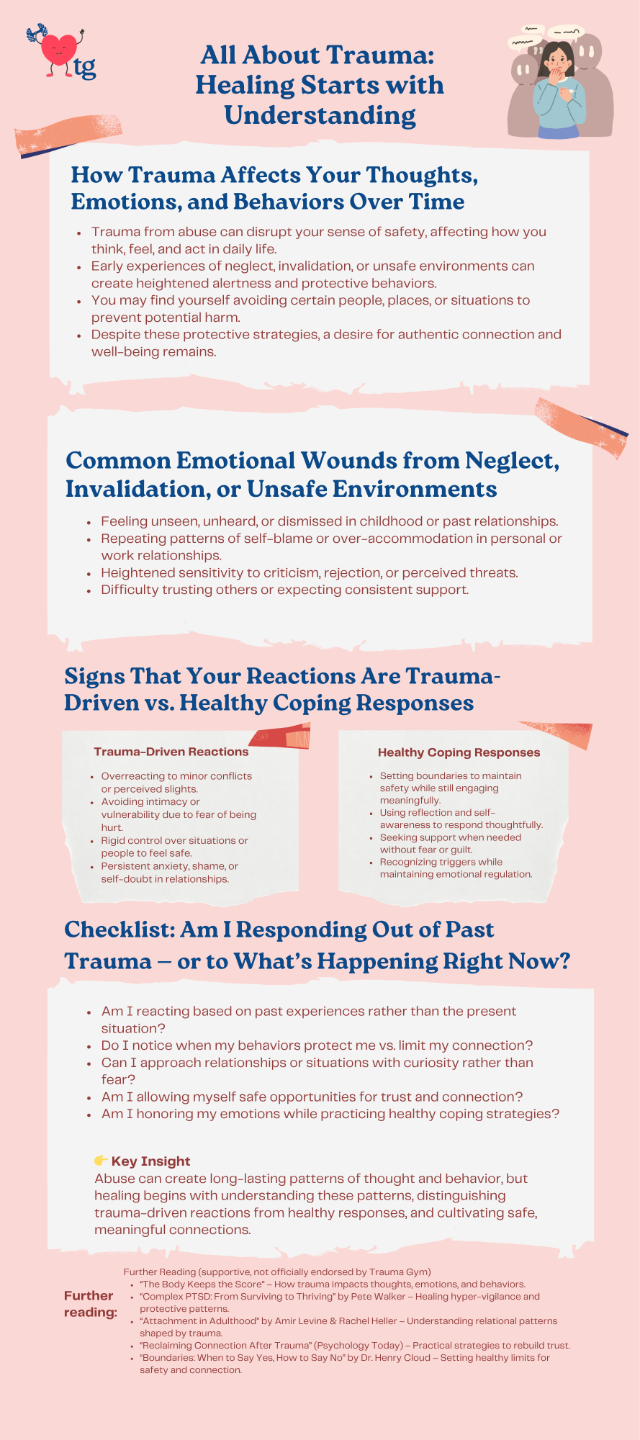
All About Trauma
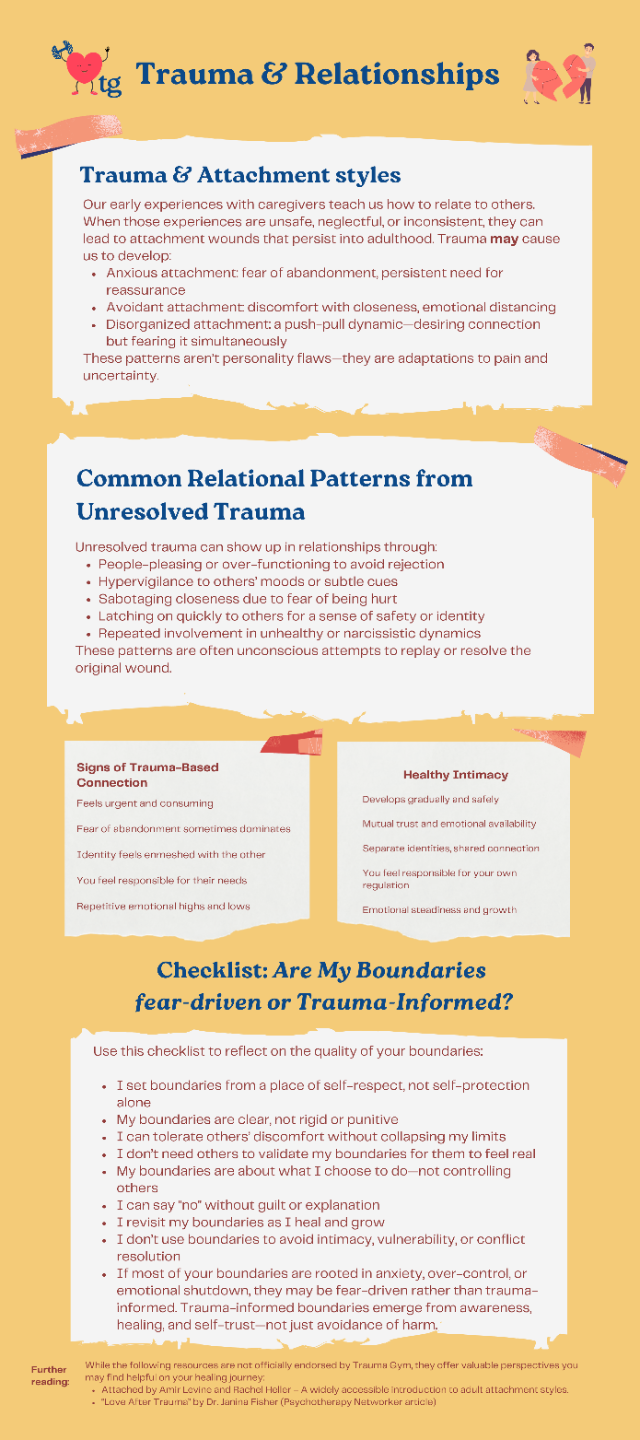
Relationships
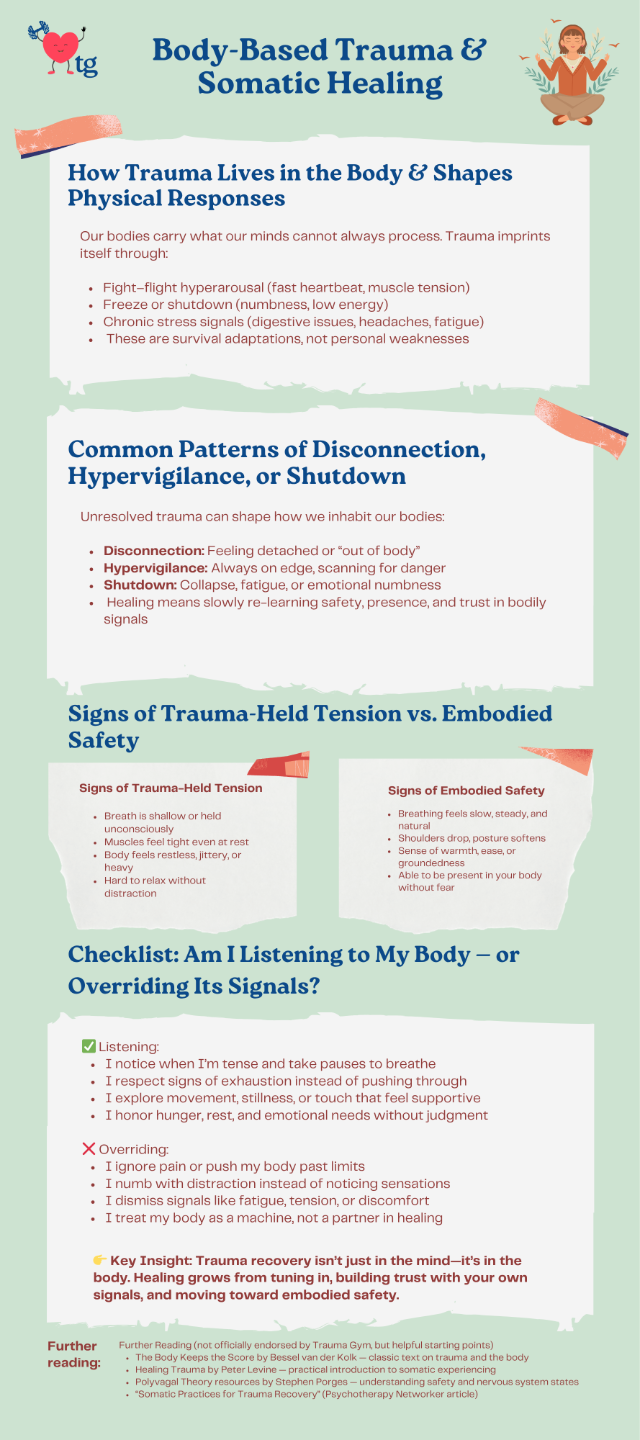
Body
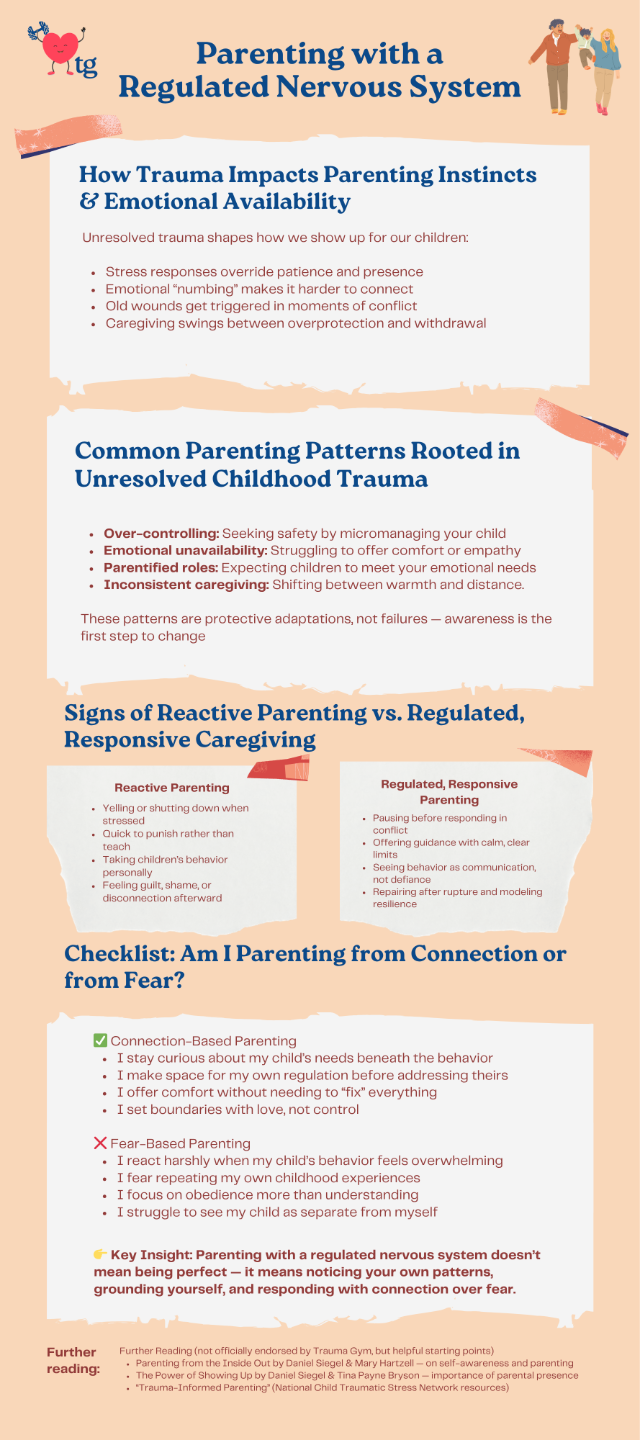
Parenting
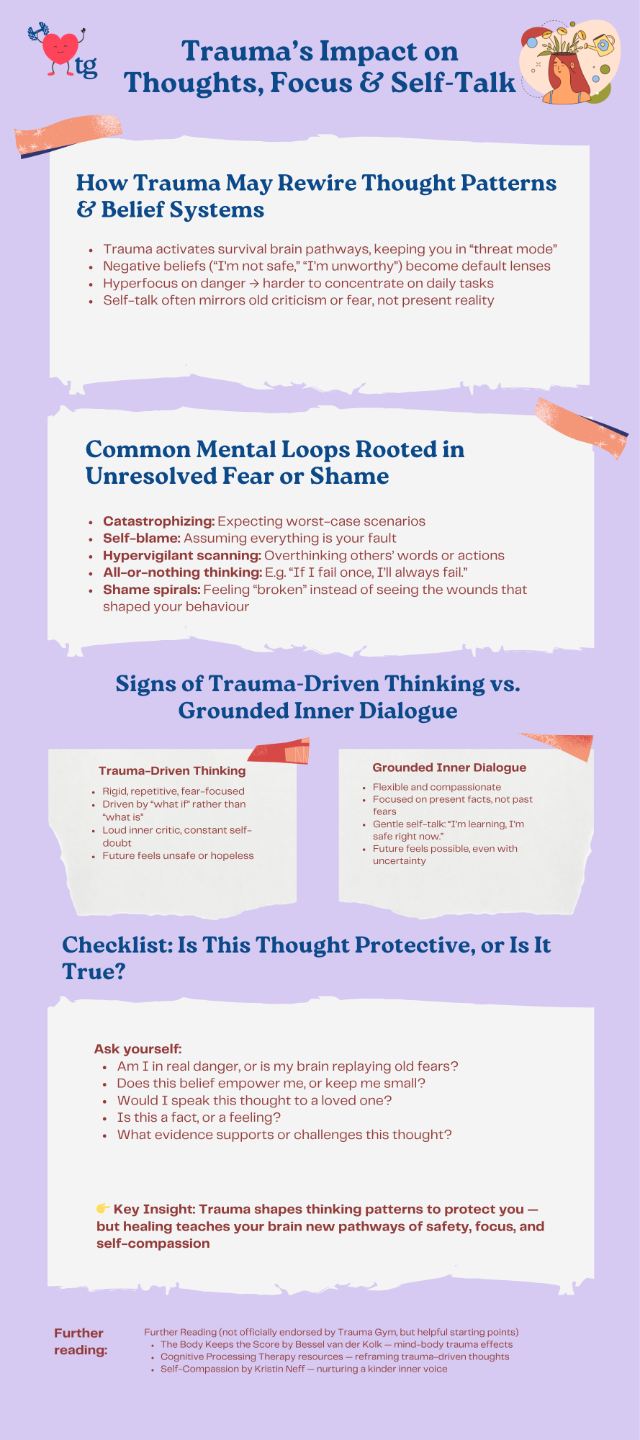
Mind
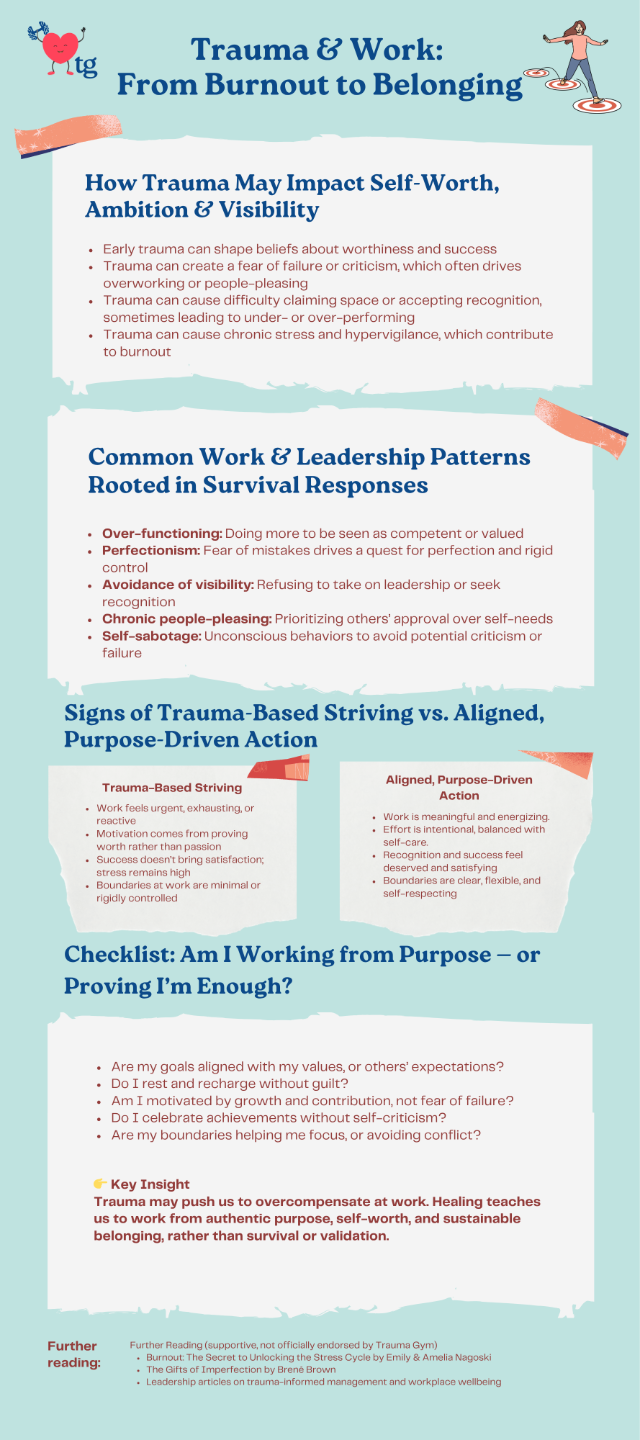
Career & Purpose
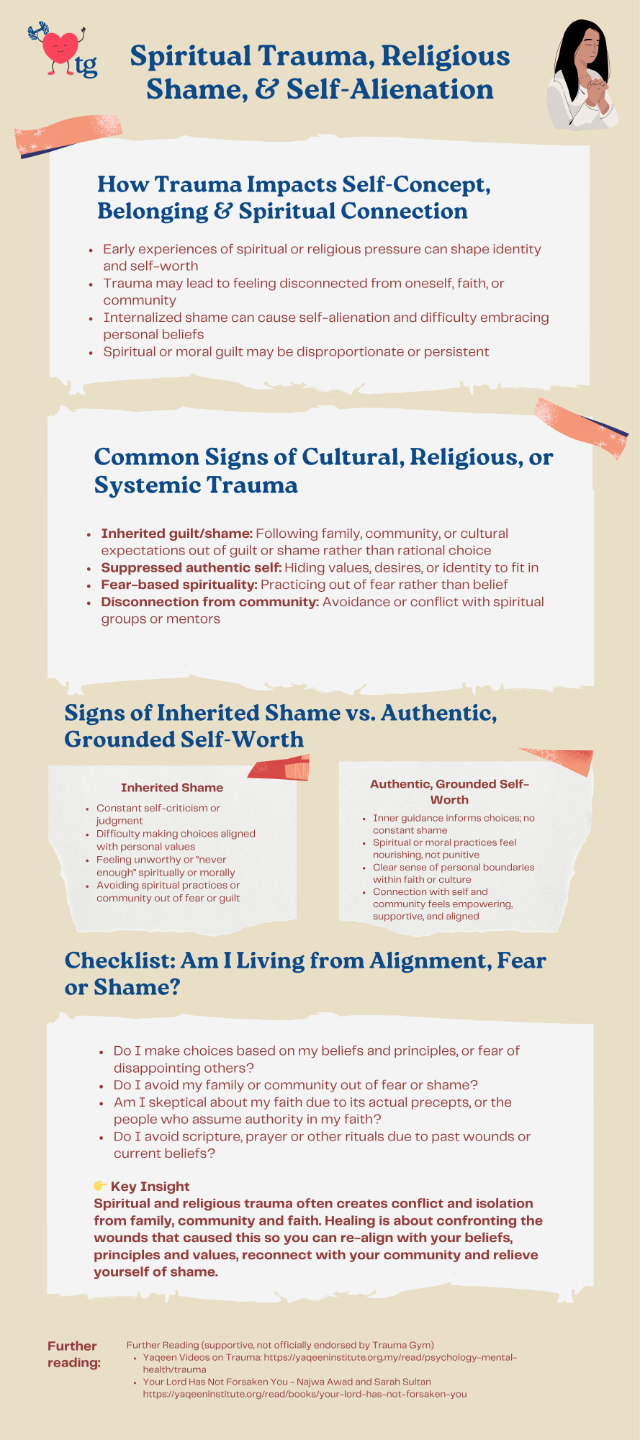
Faith & Identity
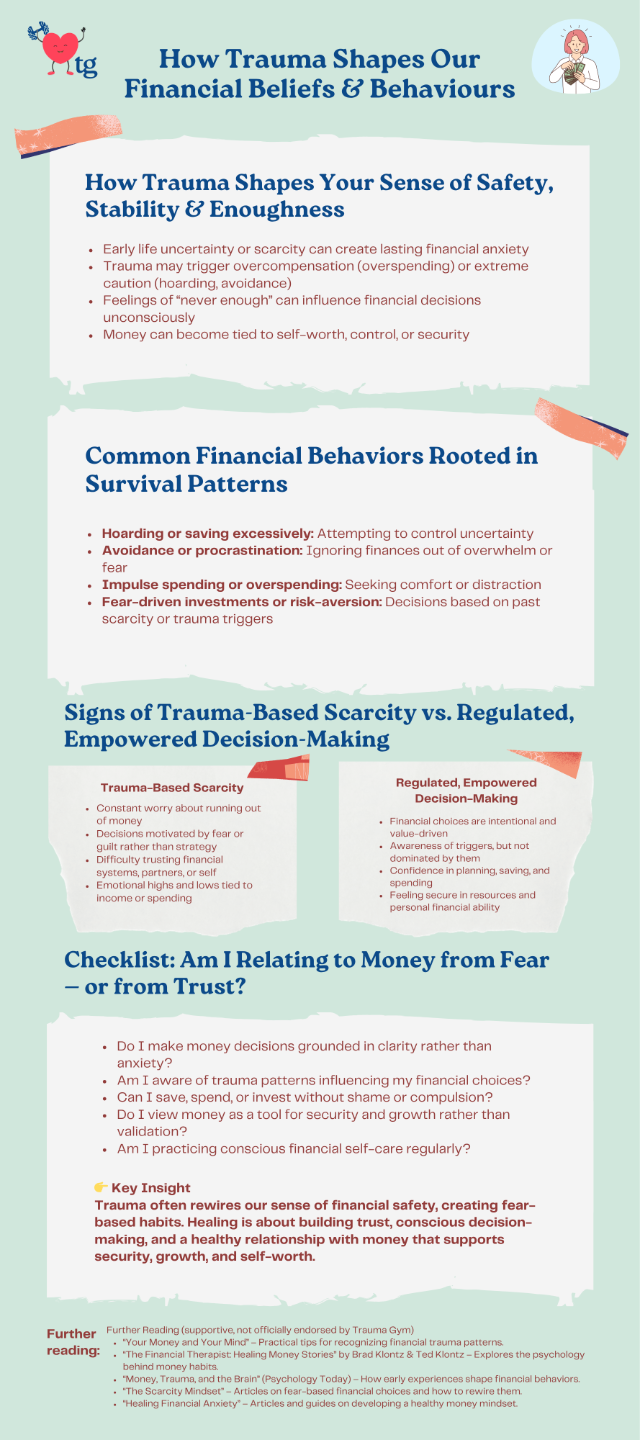
Money & Safety
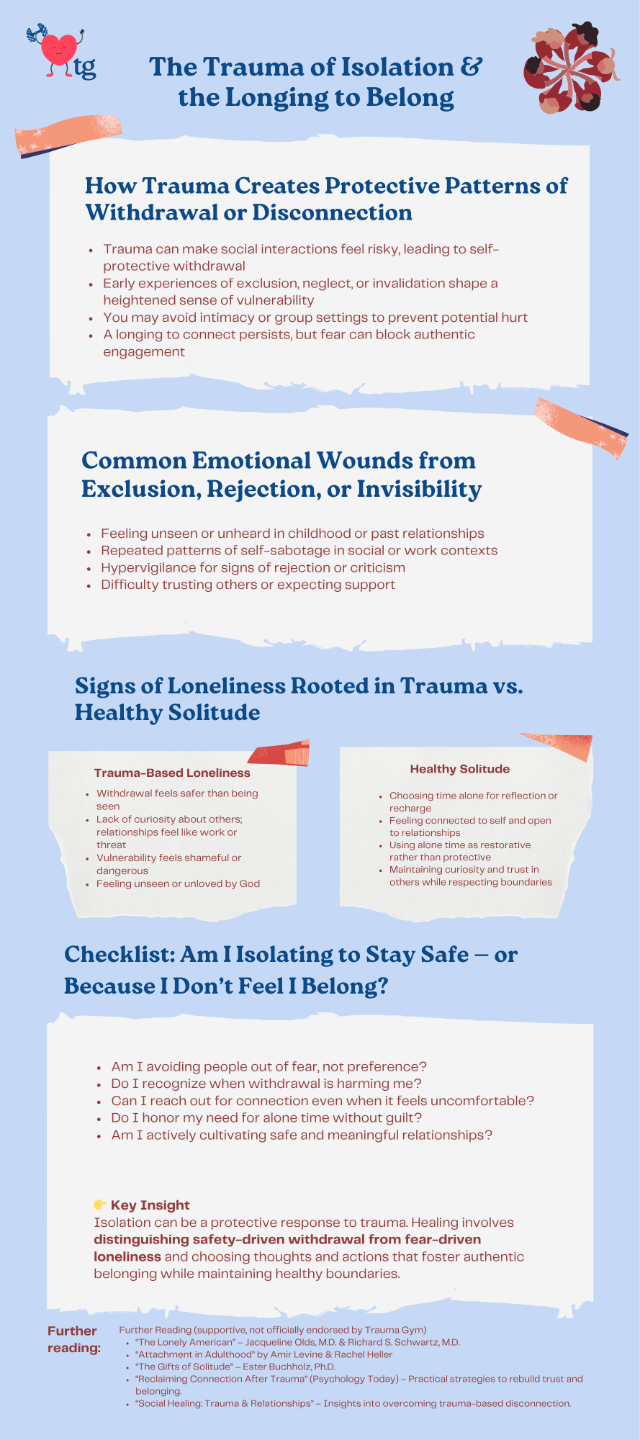
Community & Belonging
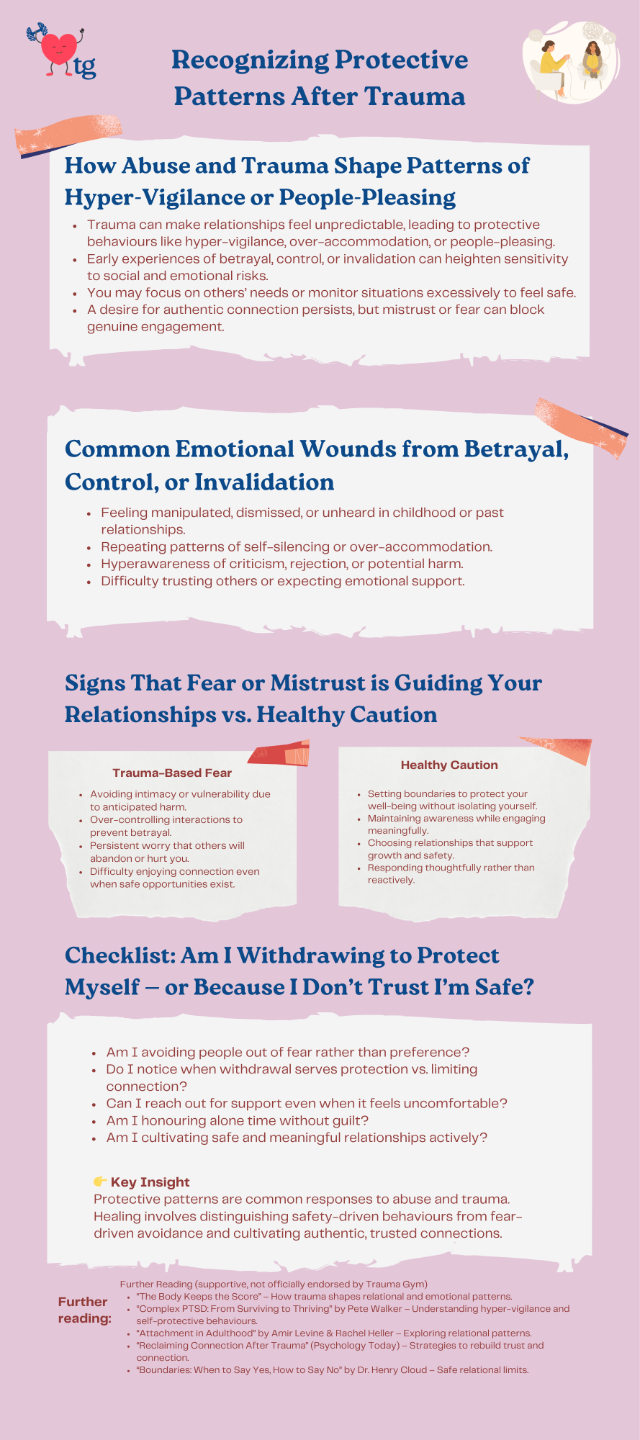
Abuse & Trauma History
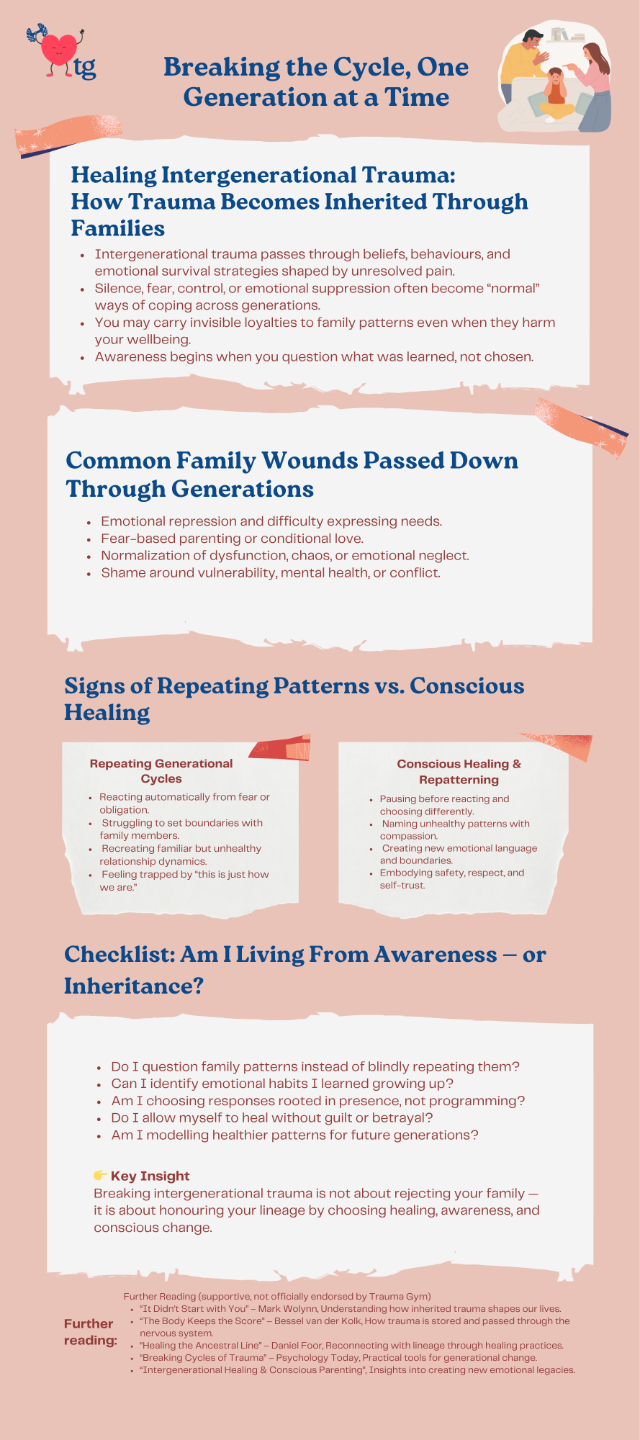
Intergenerational Trauma
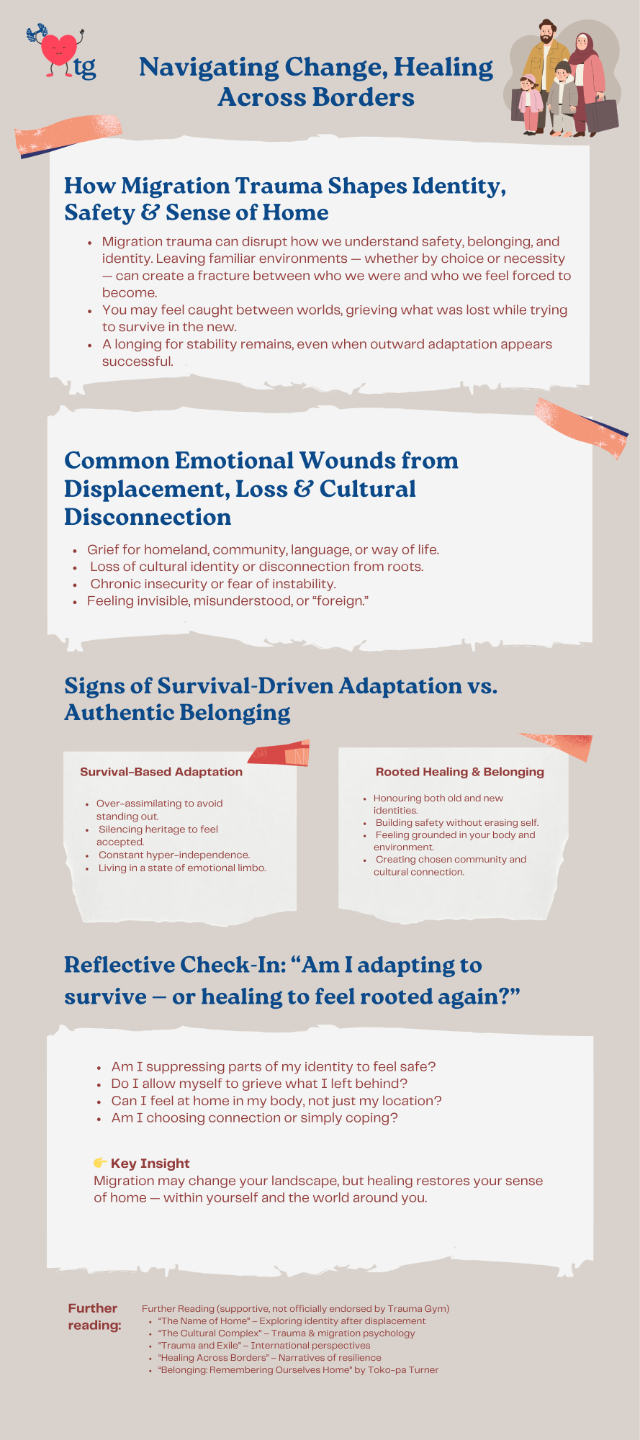
Migration Trauma
Card Decks
Explore a curated collection of trauma-informed Card Decks designed for quick, in-the-moment support—featuring guided prompts, grounding tools, and therapist-backed practices to help you regulate, reflect, and respond with intention, anytime you need it.
Use what you need, when you need it, and train your nervous system at your own pace.
All About Trauma

Relationships
Body

Parenting
Mind

Career & Purpose
Money & Safety
Community
Belonging
Boundaries
Flashback First Aid
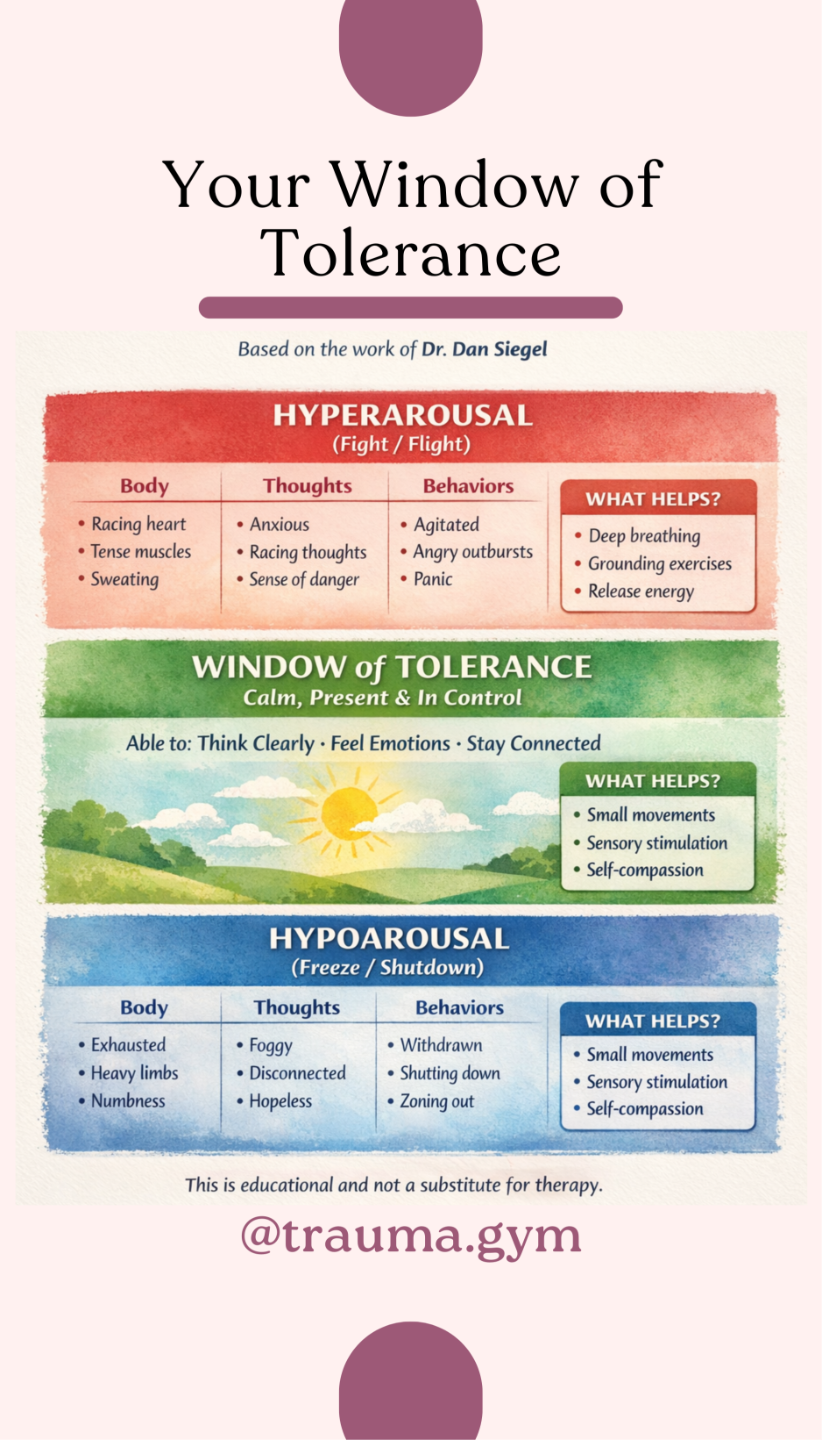
Window Of Tolerance
Body Based Tools
Grounding & Regulation
Other Therapy Tools
Explore a curated collection of trauma-informed therapy tools—worksheets, workbooks, templates, and trackers—to help you apply insights, build awareness, and create real change in your daily life.
Preview or download the tools you need, when you need them.
Visualization Workbook
Spiritual Healing Journal
Train Your Window Tracker
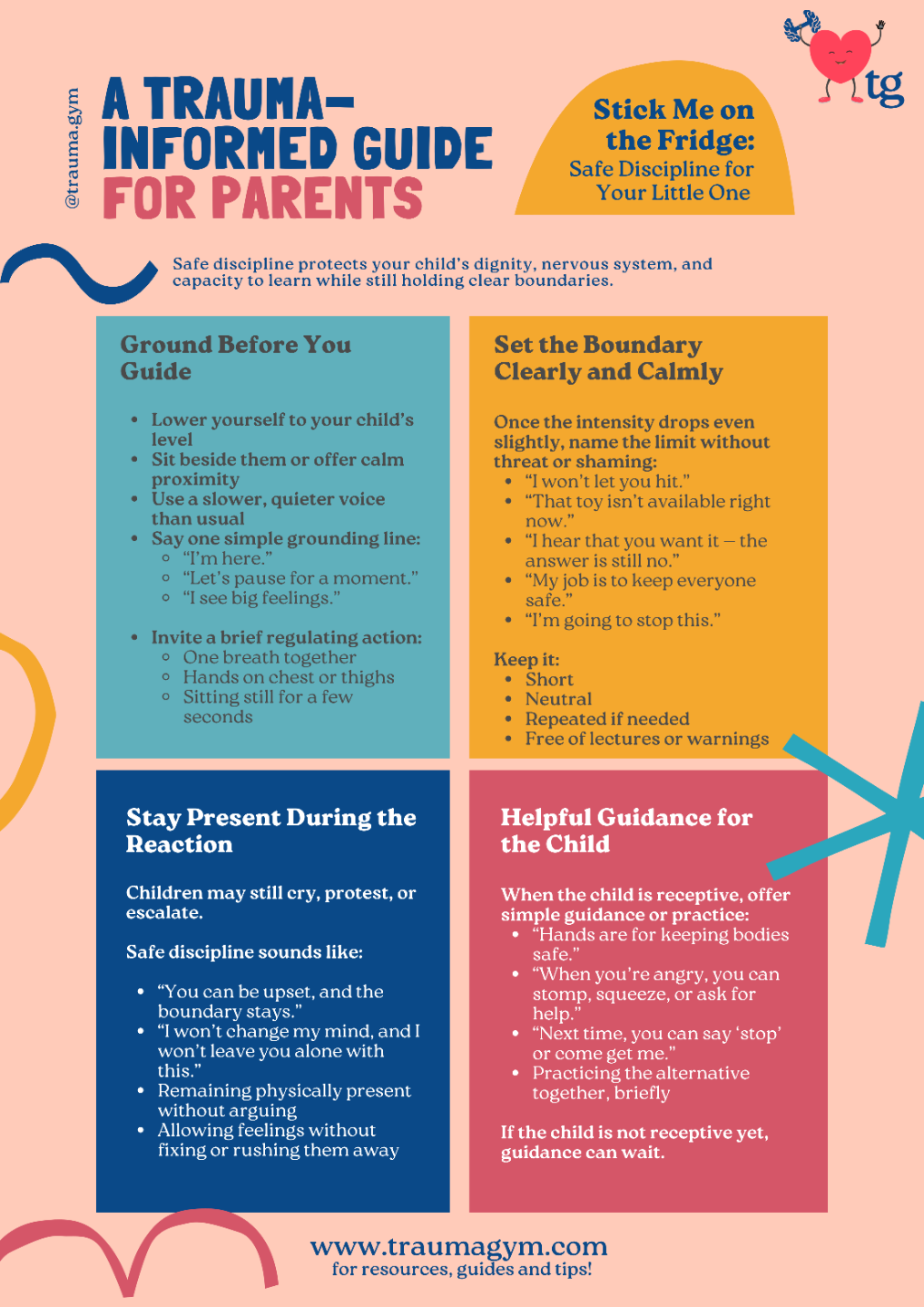
Trauma-Informed Guide for Parents
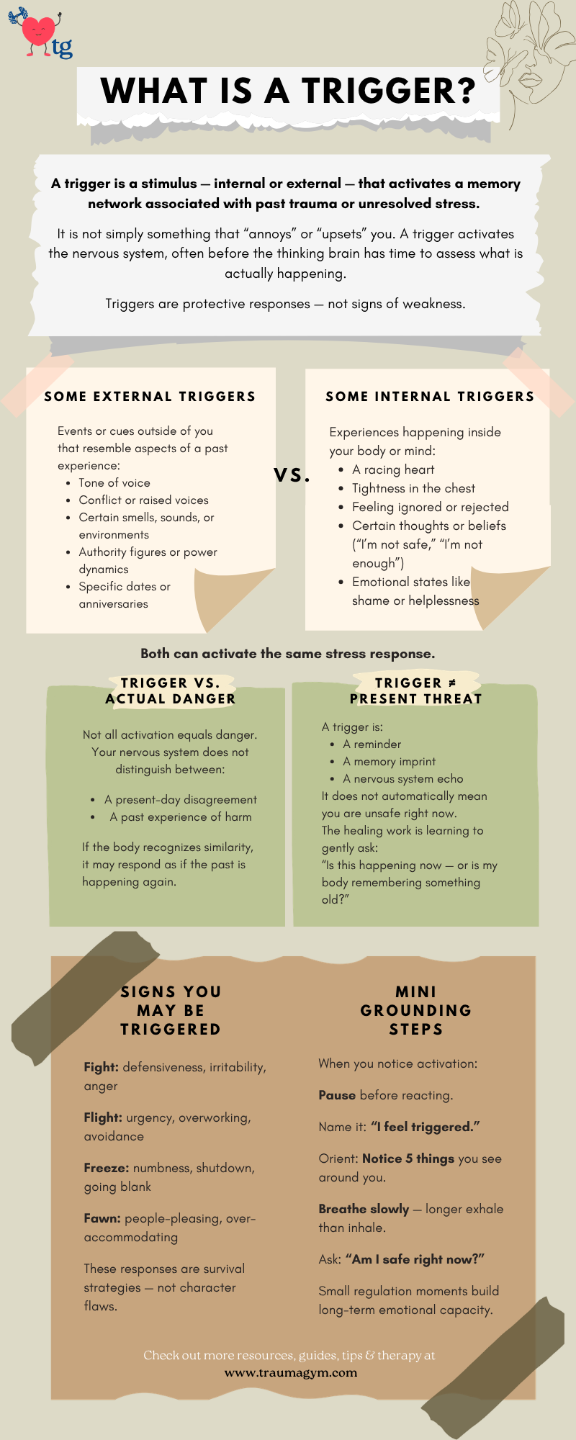
Guide: What is a Trigger?
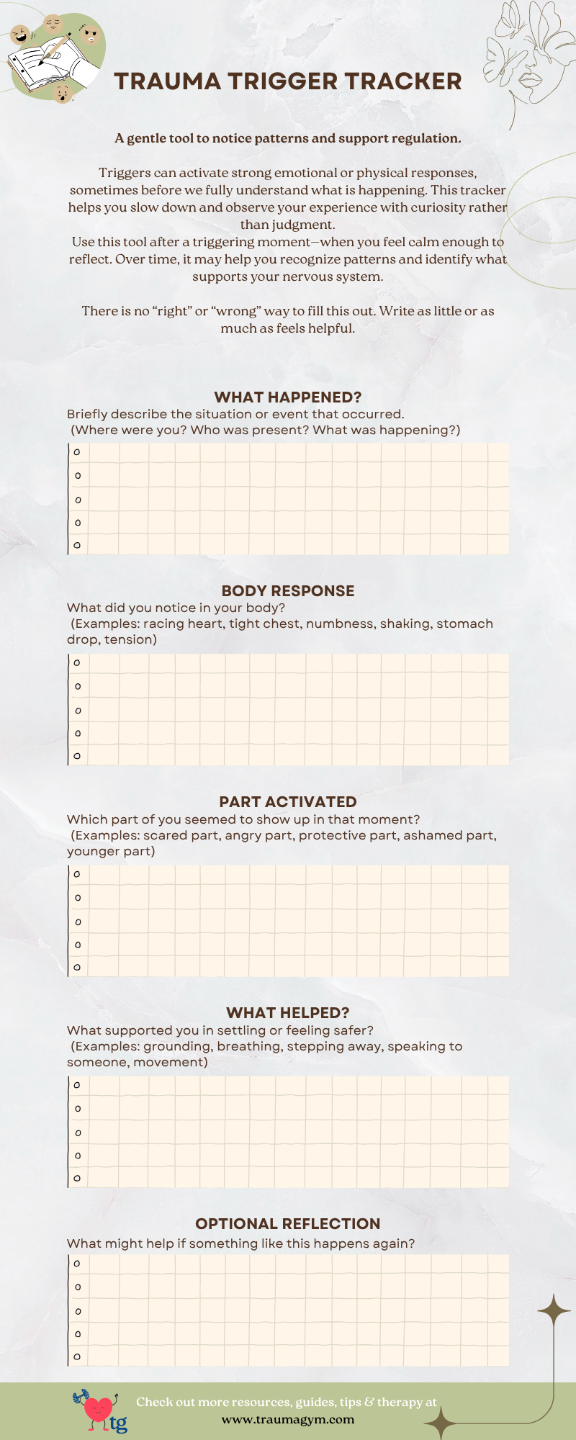
Trauma Trigger Tracker
Journal Prompts for
Your Healing Journey

Understanding Your Tools
-
Which tools or practices have I been introduced to in therapy, and which ones feel most supportive to me?
-
Are there any tools I tend to resist or avoid — and what might my body or mind be trying to communicate through that?
Building Safety Within
-
What helps me feel safe, grounded, or regulated during or after sessions?
-
How do I recognize when my body is overwhelmed, and what support do I need in those moments?
Integrating What I Learn
-
How can I gently apply what I’m learning in therapy to my daily life?
-
What does progress look like for me right now, beyond “fixing” or “changing”?
All About Trauma
Understanding Trauma
-
When I think of trauma therapy, what questions and fears do I have?
-
If there was someone I could share my story with, it would be....
Working with Emotional Wounds
-
To me, an emotional wound is...
-
The things that soothe me when I feel hurt are...
Building Awareness and Empowerment
-
I notice that these things set me off/trigger me:
-
I feel safe and grounded again when I...
Relationships
Exploring Relationship Patterns
-
What recurring patterns do I notice in my friendships, family, or romantic relationships?
-
How has trauma shaped the way I connect or withdraw from others?
Boundaries and Communication
-
Where do I struggle to set boundaries, and why?
-
How do I express my needs, and where do I hold back out of fear or guilt?
Building Healthy Connections
-
What qualities do I seek in relationships that support my well-being?
-
How can I nurture empathy, communication, and safety in my connections?
Body
Connecting with Your Body
-
How do I experience stress, tension, or discomfort in my body?
-
Which parts of my body feel safe, and which feel triggered or guarded?
Understanding Trauma Responses
-
How has trauma influenced the way I move, posture, or react physically?
-
Do I notice patterns of holding, tensing, or shutting down in my body?
Body Awareness and Healing
-
What practices help me feel grounded and connected to my body?
-
How do I listen to my body’s signals for rest, movement, and care?
Parenting
Reflecting on Parenting Patterns
-
How have my own trauma experiences influenced the way I parent?
-
Which behaviors or reactions do I notice repeating across generations?
Building Connection and Trust
-
How do I foster safety, trust, and open communication with my child?
-
What moments of connection can I create intentionally each day?
Boundaries and Self-Care
-
Where do I need to set boundaries to protect my energy and well-being?
-
How can I model self-care and emotional regulation for my children?
Mind
Understanding Thought Patterns
-
What recurring thoughts or mental habits hold me back or create distress?
-
How do I notice when my mind is reacting from trauma versus the present moment?
Reframing and Self-Compassion
- What unhelpful beliefs about myself or my life have I internalized?
- How can I challenge negative self-talk and practice self-kindness?
Mindfulness and Grounding
- What techniques help me stay present and connected to my body and mind?
- How can I integrate mindfulness or breathing exercises into my daily routine?
Career & Purpose
Exploring Career Challenges
- How has trauma affected my confidence at work or in pursuing my goals
- When have I felt stuck or uncertain about my career path, and why?
Values and Purpose Reflection
-
What work or activities make me feel most alive and aligned with my values?
-
How do I define success for myself beyond external expectations?
Overcoming Self-Doubt
-
What limiting beliefs hold me back from pursuing my purpose?
-
When do I notice fear or perfectionism influencing my career choices?
Faith & Identity
Identity and Self-Understanding
-
What parts of my identity feel most authentic, and which feel pressured or imposed?
-
How has trauma influenced the way I see myself culturally, spiritually, or socially?
Exploring Personal Faith
- How has my faith or spiritual practice shaped my sense of safety and belonging?
- When have I felt disconnected from my faith, and why?
Healing Through Reflection
- What beliefs or practices help me feel grounded and supported?
- Where can I create space for self-acceptance and spiritual growth?
Money & Safety
Beliefs About Money and Self-Worth
- What messages about money did I grow up with?
- Do I tie my self-worth to financial success?
Exploring Financial Triggers
-
When did money or financial situations first feel unsafe to me?
-
How do past experiences shape my current spending or saving habits?
Safety & Stability Reflection
-
What does safety mean to me beyond finances?
-
How do I know when I feel secure or insecure?
Community & Belonging
Exploring Your Sense of Belonging
-
When do I feel most connected, and when do I feel isolated?
-
How has past trauma influenced my ability to trust and engage with communities?
Identifying Barriers and Patterns
- Do I notice patterns of withdrawing or people-pleasing to gain acceptance?
- What fears or beliefs hold me back from fully participating in community?
Cultivating Connection
- What relationships or communities make me feel safe and supported?
- How can I actively contribute to fostering connection and belonging?
Abuse & Trauma History
Reflecting on Past Experiences
- How have past abuse or traumatic experiences shaped my current thoughts, feelings, or behaviors?
- What patterns do I notice in my relationships or reactions that may come from past trauma?
Identifying Protective Patterns
-
When do I find myself withdrawing, people-pleasing, or over-controlling to stay safe?
-
How do I know when my reactions are protective versus limiting?
Emotional Healing and Awareness
-
What emotions do I struggle to express or accept because of past trauma?
-
Which coping strategies serve me, and which keep me stuck?
Intergenerational Trauma
Exploring Family Patterns
-
What behaviors, beliefs, or fears have I inherited from previous generations?
-
How have my family’s experiences shaped my own emotional responses?
Breaking the Cycle
- What habits or beliefs do I want to change for myself and future generations?
- How can I create healthier relationships and emotional patterns moving forward?
Healing Emotional Wounds
- Which emotional patterns do I want to release or transform?
- How do I recognize when past family trauma is influencing my choices?
Migration Trauma
Reflecting on the Migration Journey
- What emotions surface when I think about leaving my home or adapting to a new country?
- How has migration shaped my sense of identity and belonging?
Coping with Loss and Change
-
What parts of my past life do I miss the most, and how do I honor them?
-
How do I navigate grief for the community, culture, or stability I left behind?
Adapting to New Environments
-
Where do I feel safe and supported in my current environment?
-
What challenges do I face in adjusting to a new culture, language, or routines?
Nothing you write needs to be perfect.
What you write stays with you.
Tools for Therapists
Explore a curated collection of trauma-informed Tools for Therapists designed to support client work, deepen reflection, and guide sessions with clarity and care.
Each tool offers practical frameworks, structured exercises, and thoughtful prompts — so you can show up with confidence, stay grounded, and support meaningful client progress.
Download what you need, when you need it, and strengthen your therapeutic practice with intention.

Client Session Planning Templates
Structured and simple templates to plan sessions with clarity and intention
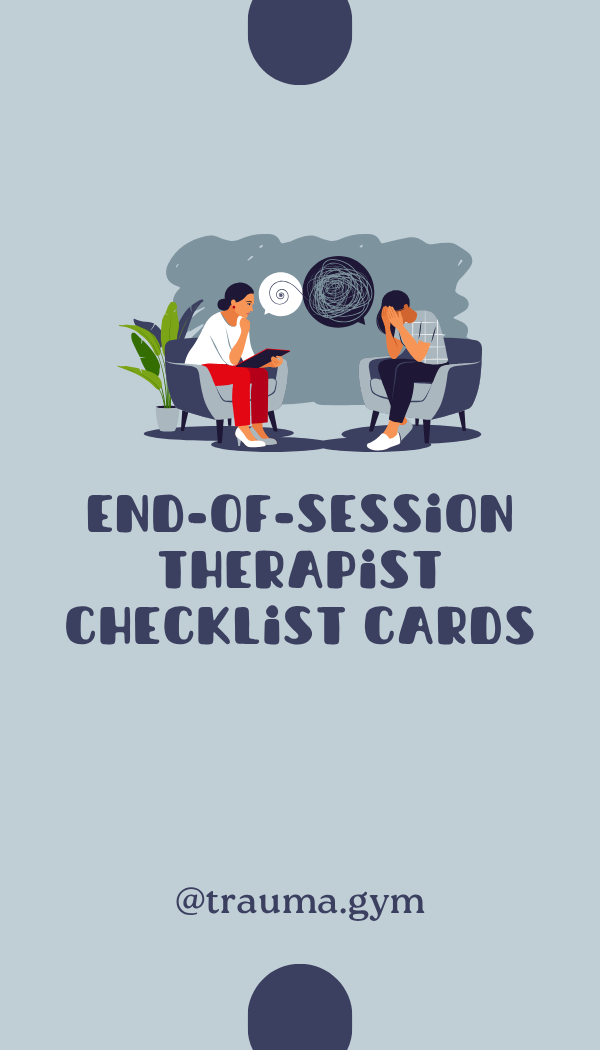
End-of-Session Therapist Checklist
EMDR-informed checklist for safe session closure and grounding
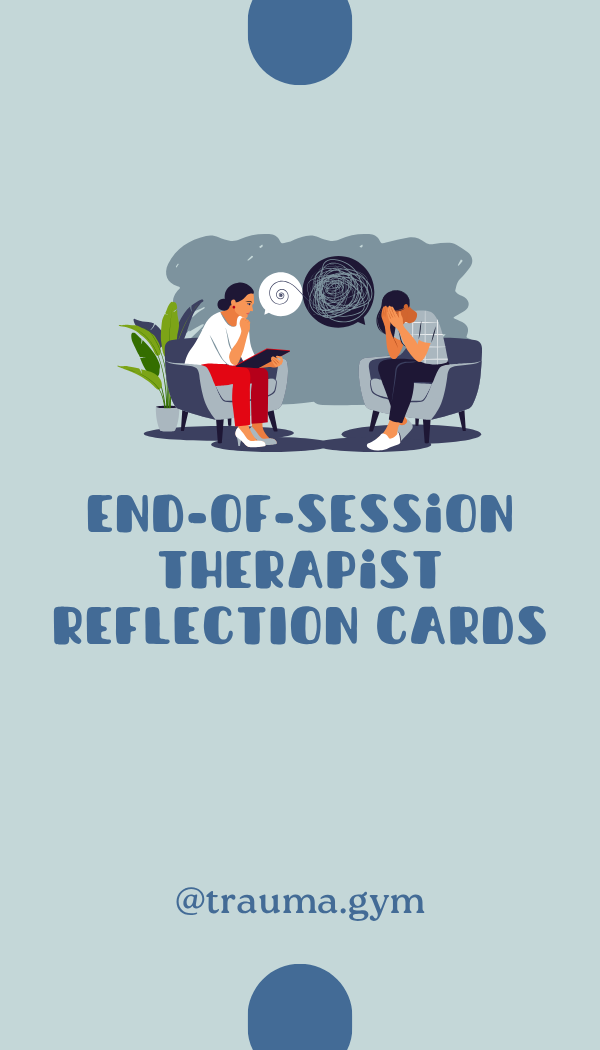
End-of-Session Therapist Reflection Cards
To help therapists close sessions with clarity and intention
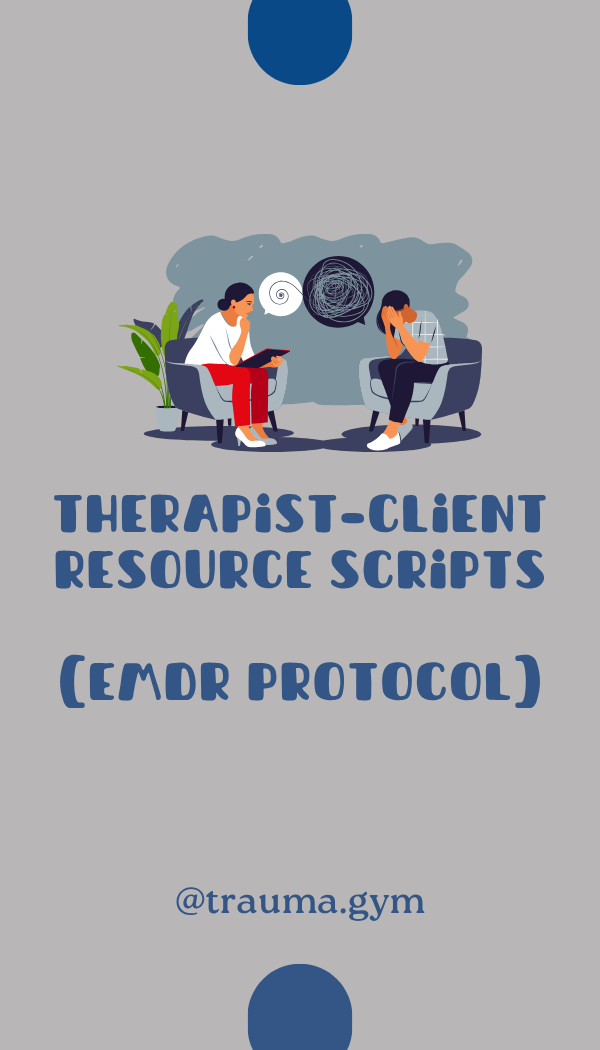
Therapist–Client Resource Scripts Cards
Support compassionate therapist–client communication
Therapist Tools for Regulating and Healing Trauma
- How trauma affects your thoughts, emotions, and behaviors over time.
- Tools therapists rely on to create safe, effective trauma sessions.
- Methods to help clients notice and process trauma-driven responses.
- Guidelines for maintaining client safety and professional boundaries.
- A checklist for selecting the right interventions for each client.
Journal Prompts for Therapists
Understanding the Tools
-
Which tools do I naturally reach for during sessions, and why?
-
Are there tools I avoid — and what might that tell me?

Supporting Clients
-
How do I notice when a client is ready for a new tool or intervention?
-
What practices help clients feel seen, safe, and regulated?
Professional Growth
-
How can I integrate new tools into my trauma-informed approach?
-
Which strategies strengthen my ability to hold safety and boundaries?
Nothing you write needs to be perfect.
What you write stays with you.